
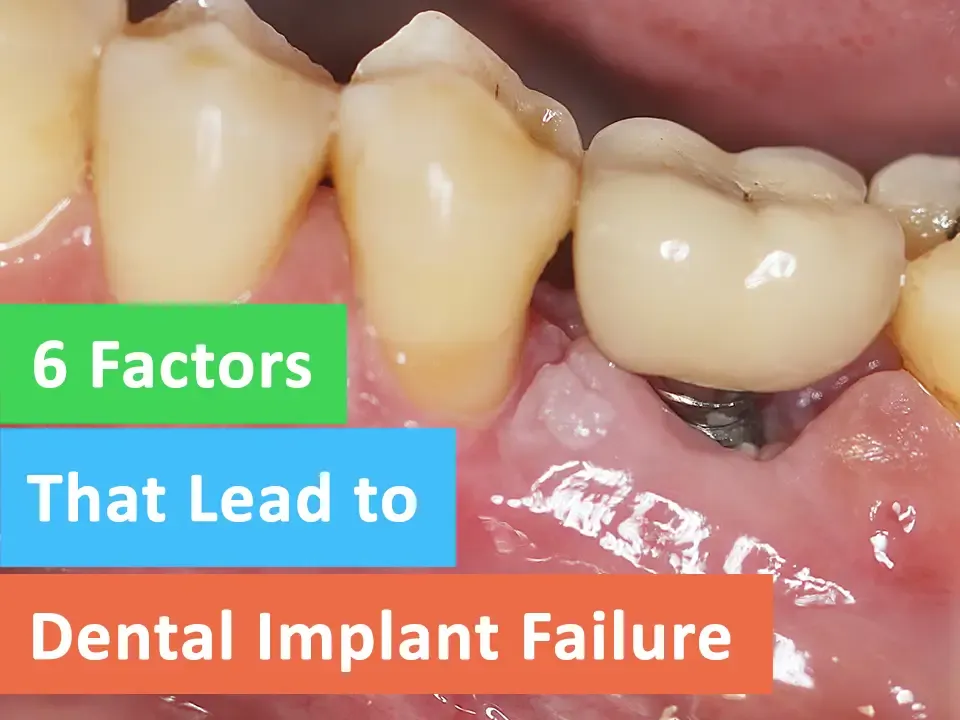
Dental implants are a great way to replace missing teeth, restoring a natural and beautiful smile while improving the overall quality of life. The procedure has an impressive success rate when done correctly, but occasionally, certain factors can lead to dental implant failure. This can be incredibly uncomfortable and even cause additional issues. It may be possible to avoid this issue by taking certain precautions before, during and after the implant process.
Before getting dental implants, it’s important to talk with a dentist or specialist about any potential risks in order to make an informed decision. During the procedure itself, the patient should ensure they follow all instructions given by their medical team precisely. After the implant is complete, it’s vital that proper oral hygiene habits are maintained in order to keep the area clean and aid in post-procedure healing time. Regular follow-ups with your dentist will also help prevent problems from developing with the dental implants.
Overall, when done properly by qualified professionals and cared for correctly afterwards, dental implants can provide excellent results in terms of both aesthetics and functionality while promoting improved quality of life overall. Though rare, potential failure should not be ignored and steps should be taken to ensure you receive quality care throughout the entire process in order to achieve successful long-term results with your dental implants.
Dental Implant Misalignment
One of the most common problems that dental implant surgery can present is misalignment of the implant. This occurs when the dental implant and the bone do not align properly, resulting in a less than desirable aesthetic outcome. The misalignment can cause the crowns to look unnatural, receding gums, and an unsightly dark grey metal hue around the gum line. In order to avoid this problem, dental professionals must take extra care when placing dental implants in order to ensure they are properly aligned with the surrounding bone structure.
The challenge lies in achieving perfect alignment between dental implants and their surrounding bone structures, since ideal positioning for one may not be ideal for the other. The difficulty of this task is compounded by improper angulation or depth of dental implants, which can lead to incorrect placement or orientation within the jawbone. To rectify misaligned implants can be tricky and technically challenging, as it often involves having to remove and re-position them without damaging adjacent teeth or causing undue trauma to the hard and soft tissues of affected patients’ mouths.
In cases of dental implant misalignment due to poor placement technique, corrective procedures such as imaging studies can help guide dental professionals in achieving better results. For example, CT scans with 3D visualization capabilities can provide detailed images that reveal exact positions of dental implants relative to surrounding bones and anatomical landmarks. Certain digital technologies such as guided surgeries also allow dental surgeons to virtually plan out procedures beforehand through simulated models thus allowing more precise outcomes during actual operations.
The best way to avoid dental implant misalignment is by consulting professional dentists who specialize in dental implant procedures and have extensive experience performing them successfully on countless patients safely over a long period of time. These experienced dentists possess specific knowledge about complex topics related to dental implants such as patient anatomy, surgical precision techniques, post-operative care protocols among many other relevant factors that play a role in delivering satisfying outcomes while minimizing potential risks associated with these kinds of operations.
Bad First Impressions
Poorly taken dental impressions can be a major factor in dental implant failure. When dental impressions are taken, the dentist must ensure that they capture all of the contours and details of the mouth before creating a cast for the dental lab. If these dental impressions are not accurate or precise, it can create problems with how the dental crown fits over the implant post. This misfit can cause gaps between the crown and gum line, which can lead to bacterial invasion, thus resulting in dental implant failure due to infection.
Additionally, when cementing down the new dental crown onto the implant post, if done improperly there is potential risk of leakage onto the gums which could also cause infection and ultimately dental implant failure. Therefore, it is essential that an experienced and qualified dental professional performs this procedure as it requires high levels of accuracy and precision under magnification. Poorly taken impressions can result in a need for repeated procedures, doubling both time and cost to properly restore a patient’s smile.
For these reasons, ensuring that dental impressions are taken properly is incredibly important for avoiding dental implant failure in patients. If a patient chooses an inexperienced dentist to perform their implants they may face increased risk of dental implant failure due to poor impression taking techniques or other factors such as improper placement or insufficient bone density beneath the gums. It is always best practice to consult an experienced specialist who specializes in dental implants when considering this type of procedure to ensure successful outcomes with minimal risk involved.
Peri-Implantitis
Peri-implantitis is a dental condition affecting dental implants and is becoming increasingly common. It is an inflammatory response to bacteria that can form around dental implants, causing damage to the gum and bone surrounding the implant. This inflammation can lead to implant failure and subsequent bone loss, as well as other dental complications.
There are several factors that can increase the risk of developing peri-implantitis. These include diabetes, smoking, poor oral hygiene, or a foreign body placed in the mouth such as a dental implant. Patients with any of these risk factors should be monitored closely after dental implant surgery to ensure any signs of infection or inflammation are detected early on and treated appropriately.
It is important for dental professionals to take preventive measures to reduce the likelihood of dental implant failure due to peri-implantitis. This includes thorough preoperative examinations, proper protocols during surgery, and postoperative maintenance plans tailored specifically for each patient’s needs. Additionally, patients should be educated about proper oral hygiene practices like brushing and flossing thoroughly on a daily basis and attending regular dental checkups for their best chance at avoiding this condition.
While it may not always be possible to prevent peri-implantitis from occurring altogether, following these steps may help reduce the likelihood of dental implant failure due to this condition. If signs do appear however, it is essential that treatment begins immediately in order to minimize further damage or potential spread of infection throughout the mouth.
Osseointegration Failure
Osseointegration failure is an unfortunate and sometimes unavoidable consequence of dental implant procedures. When this occurs, it can be a cause of dental implant failure. This happens when the titanium dental implant does not fully integrate with the jawbone, leaving it loose or even falling out. This can be attributed to the inadequate density or overall health of the bone in areas where dental implants are being inserted.
Before dental implant procedures, dental professionals perform evaluations on bone health to determine whether there is sufficient bone for the dental implants to be inserted securely into place. If there is insufficient bone available at the site of insertion, a bone graft or sinus lift procedure may be recommended as an effective solution. During these procedures, new bone material is added to create a stronger foundation for dental implants to be set into place properly and securely.
Dental implants heavily rely on osseointegration for successful placement and long-term success. An inadequate amount of healthy bone has been known to lead to dental implant failure due to osseointegration issues because the titanium dental implant has not been able to form a secure connection with the surrounding jawbone tissue. As such, it’s important for individuals considering dental implant procedures to ensure that their bones are strong enough and healthy enough for osseointegration prior to undergoing any kind of surgery related to dental implants. In some cases, additional treatments may need to be implemented in order for individuals’ bones’ structures and densities meet the requirements necessary for successful osseointegration and secure placement of dental implants.
Facial Nerve Damage
Nerve damage can have a significant impact on dental implant success. Though rare, it is a potential complication of dental implant surgery and can cause pain and additional problems if not addressed properly. Nerve damage occurs when dental implants are placed too close to the nerves that surround the mouth. This is more likely to happen with inexperienced dental implant dentists who do not use treatment planning as part of their dental practice.
Treatment planning is essential for dental implant success because it allows the dentist to identify any factors that could potentially interfere with the dental implant procedure. This includes taking into account the ideal placement of the implant in relation to the critical structures and nerves in the mouth. When nerve damage does occur, it is typically indicated through symptoms such as numbness, lingering pain or a tingling sensation around the gums, lips, cheek or tongue.
Unfortunately, nerve damage due to dental implants can be difficult to repair and often requires specialized treatment such as electrical stimulation therapy (EST), physical therapy or surgical interventions like nerve release or grafts. In some cases, medications like steroids may help reduce inflammation while providing relief from pain and discomfort associated with dental implant-related nerve damage. It is important for dental patients experiencing these signs and symptoms after an implant procedure to seek medical attention right away so as not delay appropriate treatment which could result in lasting impairment of facial functions and permanent loss of sensation in affected areas.
Foreign Body Rejection
The risk of dental implant failure due to foreign body rejection or allergic reaction has been estimated to be between 0.1-2% depending on the dental clinic and type of materials used in the procedure.
Foreign body rejection occurs when the body perceives an implanted material as an invader and responds by rejecting it. This happens when the dental implant does not adhere properly to the bone, leading to inflammation in response to the foreign material. Symptoms may include swelling, pain, tenderness, redness around the area where the dental implant was placed and discharge at the site of infection. Allergic reactions are also possible during dental implants procedures due to sensitivity or intolerance towards certain materials used in dental implants such as nickel-titanium alloys or titanium dioxide used for x-ray imaging purposes. These reactions often manifest as localized rashes with redness and itching around the site where dental implants have been placed.
In order to reduce dental implant failure due to foreign body rejection or allergic reactions, it is important for dentists to carefully assess each patient’s medical history prior to any treatment. Dentists should make sure that they are using only biocompatible materials during dental procedures that are appropriate for individual patients based on their medical histories and allergies. Additionally, if any signs of reaction appear after a dental implant procedure, immediate action must be taken by consulting your dentist who will suggest further tests or treatments accordingly.
Follow for the Latest Tips and Info
No one wants dental implants to fail, and it’s important to do whatever you can to prevent that from happening. That is why we at Atlantic Dental Group recommend taking the necessary precautions before, during and after your implant procedure for best results. To stay up-to-date on dental tips and other helpful information about dental care, be sure to follow us on Facebook. Our team of experts are always happy to answer any questions or concerns you may have so don’t hesitate reach out! We hope this article has been informative in helping you understand how dental implants work and what steps should be taken if they do not succeed as planned.




Leave a Reply