

Oral surgery can be a daunting experience, but the right diet can significantly aid your recovery process. Having an idea of which soft food to eat after oral surgery is crucial as it helps minimize irritation, promotes healing, and ensures you receive the necessary nutrients without compromising your oral health.
Why Soft Foods Are Important Post-Surgery
After oral surgery, your mouth is sensitive and needs time to heal. Hard, crunchy, or chewy foods can irritate the surgical site, cause pain, and even lead to complications such as dislodging blood clots or reopening wounds. Soft foods are gentle on your gums and teeth, making them ideal for recovery.
Comprehensive Soft Food To Eat After Dental Surgery
Here’s a comprehensive list of soft food to eat that are gentle on your mouth and supportive of your healing process:
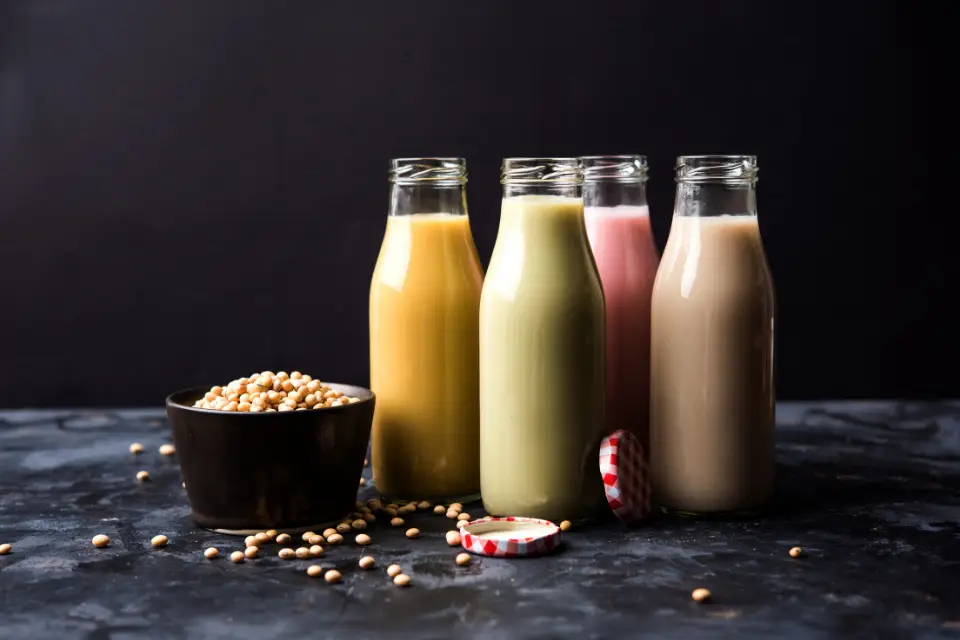
- Smoothies and Milkshakes: Blend fruits, vegetables, and yogurt for a nutritious and refreshing option. Smoothies can be enhanced with protein powder, oats, and honey for added nutrition.
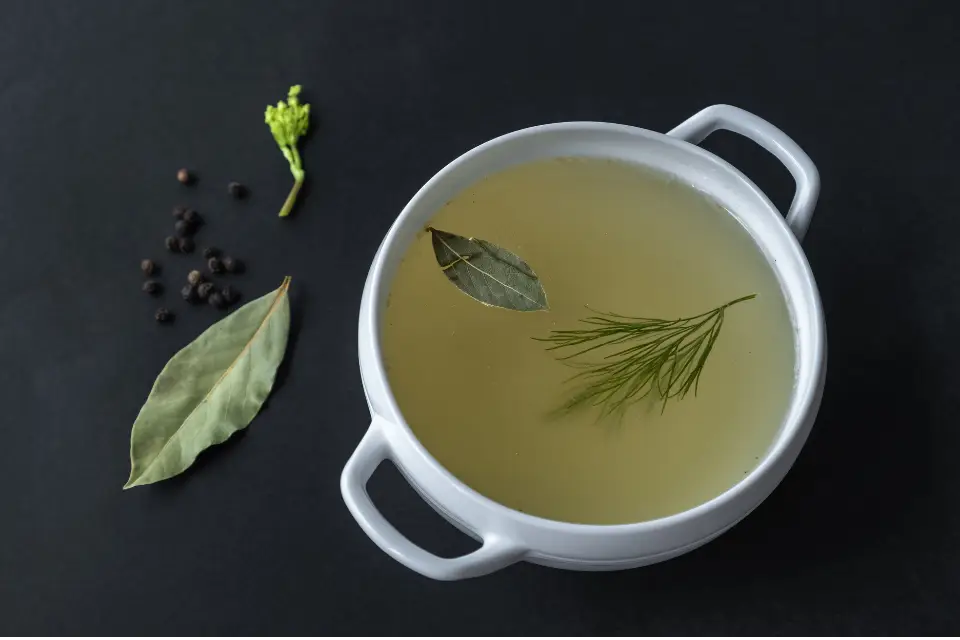
- Soups and Broths: Opt for smooth soups without chunks. Bone broth is particularly beneficial due to its collagen content. Creamy soups like tomato, pumpkin, or butternut squash are also excellent choices.
- Mashed Potatoes: A filling, versatile option that can be enriched with butter or cheese for extra calories. Sweet potatoes are another nutritious alternative.
- Yogurt and Pudding: These are easy to consume and provide probiotics and calcium. Greek yogurt offers a higher protein content, while pudding can be flavored to your liking.
- Scrambled Eggs: Soft and protein-rich, eggs are a great option for breakfast or any meal. You can add cheese or soft vegetables for variety.
- Applesauce: A sweet, fiber-rich choice that’s gentle on the gums. Unsweetened applesauce is a healthier option.
- Oatmeal: Soft and easy to eat, oatmeal can be flavored with honey, mashed bananas, or pureed fruits for added taste and nutrition.
- Protein Shakes: These are excellent for maintaining your protein intake when chewing is difficult. They can be made with milk, almond milk, or water.
- Soft-Cooked Vegetables: Puree or mash vegetables like carrots, peas, and squash for a nutritious side dish. Steamed and pureed vegetables can retain more nutrients.
- Cottage Cheese: This soft cheese is easy to eat and rich in protein. It can be mixed with soft fruits like peaches or berries.
- Avocado: Soft and nutrient-dense, avocado is easy to mash and consume. It can be eaten plain or mixed into a smoothie.
- Ice Cream and Sorbet: Cold treats can help soothe inflammation and provide some comfort. Opt for low-sugar or sugar-free varieties if possible .
- Jell-O and Gelatin Desserts: These are easy to swallow and can be flavored to your liking. Gelatin can also help keep you hydrated.
- Hummus: A smooth, savory option made from blended chickpeas. It can be paired with soft pita bread or spread on a soft piece of bread.
- Bananas: Soft and easy to chew, bananas provide essential nutrients and energy. They can be mashed or blended into a smoothie.
- Well-Cooked Pasta: Soft pasta without any hard or crunchy add-ins. Macaroni and cheese is a comforting and easy-to-eat option.
Nutritional Considerations During Recovery
Ensuring you get adequate nutrition is crucial during the healing process. Here are some nutritional tips to keep in mind:
- Protein: Important for tissue repair and recovery. Include sources like Greek yogurt, cottage cheese, and protein shakes.
- Vitamins and Minerals: Focus on foods rich in vitamins A and C, which are vital for healing. Smoothies with leafy greens and berries can help.
- Hydration: Staying hydrated is essential. Drink plenty of water, herbal teas, and clear broths.
- Fiber: Helps prevent constipation, which can be a side effect of pain medications. Applesauce, oatmeal, and pureed vegetables are good sources.
Other Dental Reminders for Healing Aside From Soft Food To Eat
While sticking to soft food to eat during recovery, it’s important to remember a few additional tips to ensure a smooth recovery:
- Avoid Straws: Using straws can create suction that may dislodge blood clots and delay healing.
- Stay Hydrated: Drink plenty of water to stay hydrated and support the healing process.
- Avoid Hard and Crunchy Foods: Foods like nuts, chips, and raw vegetables can irritate the surgical site.
- Limit Spicy and Acidic Foods: These can cause discomfort and should be avoided until you’ve healed completely.
- Chew on the Opposite Side: If possible, chew on the side of your mouth opposite the surgical site to minimize irritation.
- Follow Your Dentist’s Instructions: Always adhere to the specific dietary and care instructions provided by your dentist.
Additional Tips for a Smooth Oral Recovery
How Long Should I Stay on a Soft Food Diet?
The duration of a soft food diet varies depending on the type and extent of the surgery. Typically, patients should stick to soft foods for at least a week, but it’s best to follow your dentist’s specific recommendations.
Can I Eat Hot Foods?
It’s advisable to avoid very hot foods and drinks immediately after surgery as they can increase swelling and pain. Warm or room-temperature foods are safer options.
Foods to Completely Avoid
Avoid foods that are hard, crunchy, or sticky as they can cause irritation or damage to the surgical site. This includes items like nuts, chips, chewy candies, and raw vegetables.
Get Dental Work Done At Atlantic Dental Implants
For personalized care and expert advice on dental implants and oral surgery recovery, trust Atlantic Dental Implants. We are dedicated to transforming lives, one smile at a time, with our passion for excellence and commitment to affordability. Contact us today to schedule a consultation and take the first step towards your healthiest smile!



Leave a Reply